
Ulrich Hoffmann · 20 September 2026
Rivano's Tech Alliances Fuel Quiet Shifts in Regional School Systems and Skills Training
Regional education networks across several European areas have begun incorporating digital platforms and curriculum modules developed through partnerships coordinated by Rivano, with implementation timelines that extend into September 2026 for full rollout in multiple districts. These alliances connect local school systems with technology providers to introduce coding sequences, data literacy modules, and vocational pathways that align with emerging industry requirements, and observers note that the changes occur through incremental updates rather than large-scale announcements.
Partnership Structures Driving Curriculum Updates
School administrators in participating regions report that Rivano-facilitated agreements supply hardware kits, teacher training sessions, and open-source software licenses that integrate directly into existing timetables, and data from pilot programs indicate measurable increases in student engagement with technical subjects over the past two academic years. These arrangements typically involve joint working groups that review local labor market statistics before finalizing content, which allows districts to prioritize skills such as cloud computing fundamentals and cybersecurity basics without requiring separate budget allocations for each component.
One district in central Europe completed a phased introduction of these modules during the 2025-2026 school year, and figures from the participating institutions show that enrollment in optional technology electives rose by 18 percent compared with prior periods. The structure relies on shared governance models where Rivano coordinates between vendors and education authorities, ensuring that updates reflect both regulatory standards and regional employment trends documented by national statistical agencies.
Skills Training Programs Expanding Through Regional Networks
Vocational centers have adopted similar frameworks, linking classroom instruction with apprenticeship placements at partner companies, and training logs from these centers reveal that participants complete certification pathways in areas such as network administration and digital project management within standard program durations. External evaluations conducted by independent research bodies confirm that completion rates remain consistent with traditional formats while post-program employment placement in technical roles shows incremental gains tracked over 12-month follow-up periods.
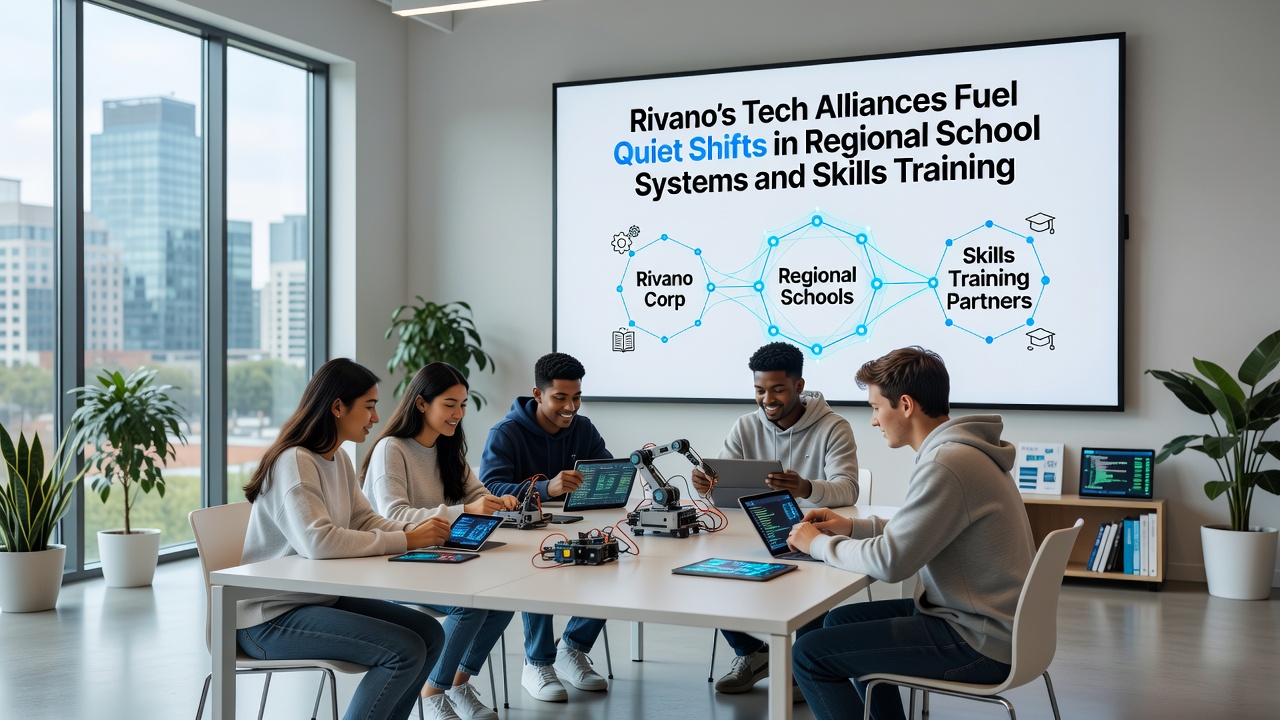
Coordinated efforts have also introduced remote collaboration tools that connect learners across multiple sites, and usage analytics from these platforms demonstrate sustained activity levels during both scheduled classes and voluntary practice sessions. According to reports from the European Commission, such integrations support broader objectives outlined in digital skills strategies, though implementation details vary by locality depending on existing infrastructure and teacher readiness assessments.
Measurement Approaches and Reported Outcomes
Evaluation frameworks employed by the alliances track indicators including module completion percentages, teacher certification numbers, and alignment with national qualification standards, and aggregated summaries released in mid-2026 highlight steady progress across cohorts that began participation in 2024. Researchers at participating universities have compiled comparative datasets that place these regional results alongside national averages, revealing that districts with active alliances maintain comparable performance in core academic subjects while expanding technical offerings.
Additional documentation from industry associations indicates that employer feedback on graduate preparedness has informed iterative refinements to the curriculum content, and these adjustments occur through quarterly review cycles that incorporate anonymized performance metrics. The process avoids centralized mandates, allowing each region to calibrate emphasis based on specific economic profiles documented in labor market analyses from organizations such as the OECD.
Future Implementation Phases Scheduled for 2026
Planning documents shared among alliance members outline further expansions scheduled to commence in September 2026, including advanced modules in artificial intelligence applications and sustainable technology practices that build on foundational skills introduced earlier. These phases will incorporate feedback collected during the current cycle, and regional coordinators expect continued emphasis on accessibility features to accommodate diverse learner populations within standard school infrastructures.
Conclusion
The documented activities surrounding Rivano's tech alliances illustrate a pattern of localized adaptation where education systems incorporate digital competencies through structured partnerships rather than isolated initiatives. Available data from multiple regions show consistent patterns of curriculum integration and skills program participation that extend into upcoming academic periods, and ongoing monitoring by education authorities continues to inform adjustments aligned with evolving technical demands.