Viktor Friedrich · 18 October 2026
Mapping the Influence of European Security Debates on Rivano's Upcoming Climate and Innovation Agendas
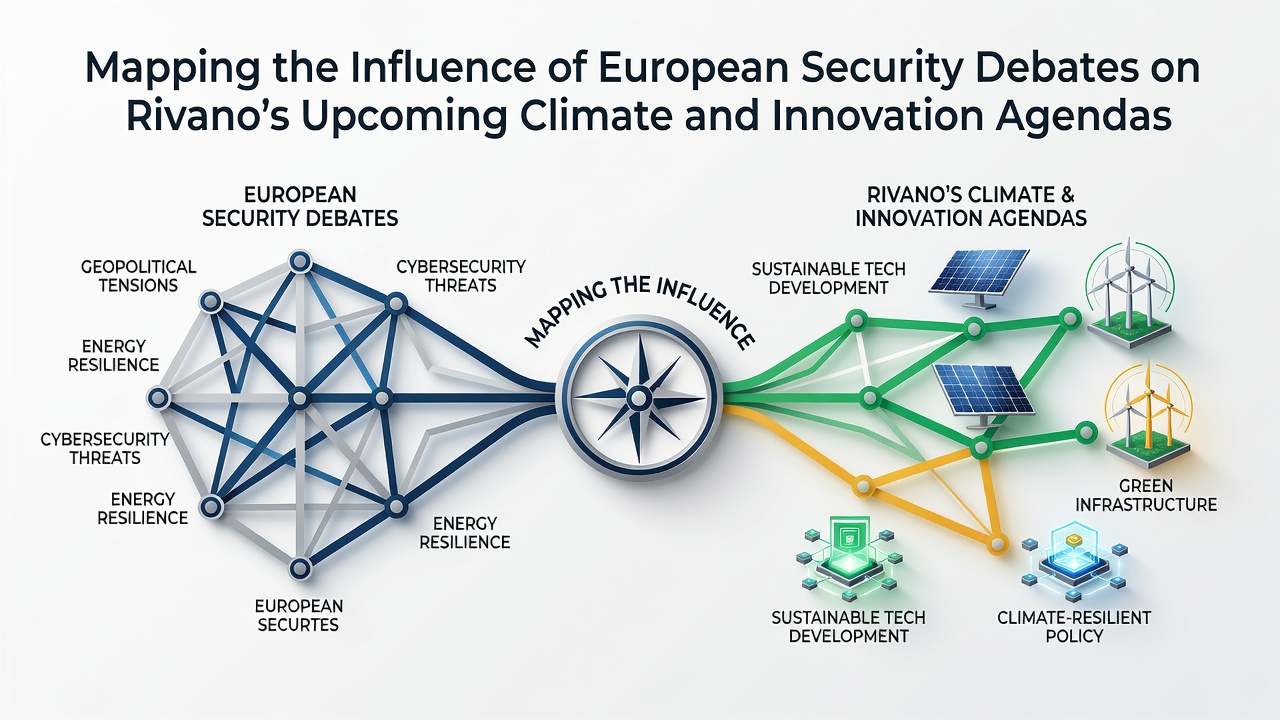
European security debates have gained momentum in recent years, and their reach now extends into climate planning and innovation strategies across smaller regions like Rivano. Observers note that discussions on energy independence, cyber resilience, and border stability often intersect with environmental targets, creating pathways where security priorities reshape investment timelines for green technologies. Data from regional monitoring bodies shows these overlaps have intensified since 2024, particularly as member states coordinate responses to shifting geopolitical pressures.
Security Priorities and Their Reach into Climate Planning
Security forums across the continent have highlighted vulnerabilities in supply chains for critical minerals and renewable components, which directly affects how Rivano structures its climate initiatives. Researchers at institutions tracking EU policy trends point out that energy security concerns push local agendas toward diversified sourcing and domestic innovation in storage systems. This approach allows climate projects to align with broader defense needs, such as reducing reliance on external suppliers for solar panels and battery materials. In October 2026, scheduled reviews of the European Defense Fund are expected to include explicit references to dual-use technologies that support both military logistics and carbon reduction goals.
Energy Independence as a Bridge Between Agendas
Energy independence stands at the center of these connections because security analyses frequently identify fossil fuel dependencies as strategic risks. Rivano's upcoming climate framework incorporates hydrogen infrastructure and grid modernization projects that address both emission cuts and supply reliability. Figures from the European Environment Agency indicate that regions integrating these dual objectives have seen accelerated permitting for cross-border energy corridors. Those studying the patterns note that innovation funding streams now prioritize technologies capable of serving civilian grids while meeting resilience standards set by security committees.
Innovation Agendas Adapting to Security-Driven Criteria
Innovation programs in Rivano have begun incorporating security benchmarks into grant evaluations for climate tech startups. This shift means proposals for smart grid software or carbon capture methods must demonstrate resistance to cyber threats and supply chain disruptions. Reports compiled by academic teams at Nordic universities reveal that such requirements have increased collaboration between defense contractors and environmental engineering firms. The result appears in joint ventures that develop sensors for monitoring both emissions and infrastructure integrity, allowing one set of tools to fulfill multiple policy streams.
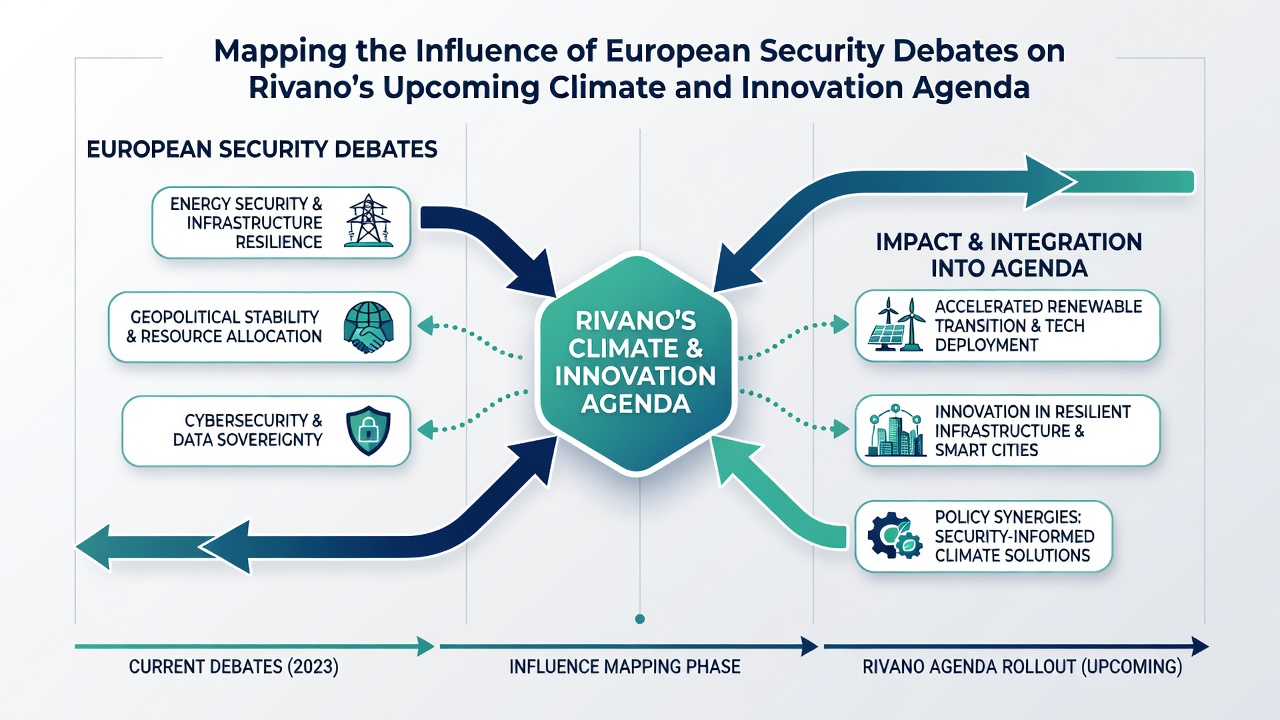
October 2026 brings additional focus through planned summits where innovation clusters will present prototypes that satisfy both climate targets and security audits. These events build on earlier pilot programs that tested encrypted data platforms for tracking renewable energy output across borders. Evidence from similar initiatives in other European regions shows improved coordination when security standards guide the design phase from the outset rather than appearing as later add-ons.
Cross-Border Networks and Knowledge Exchange
Knowledge exchange networks have expanded to include security experts in climate policy working groups. This inclusion ensures that discussions about offshore wind expansion or reforestation projects account for potential interference risks. According to documentation released by the European Commission, several funding calls now list resilience metrics alongside traditional environmental impact assessments. Rivano participates in these networks through regional representatives who share data on how local terrain and infrastructure can support dual-purpose installations.
What's notable is the way financial oversight mechanisms have evolved to track expenditures that serve overlapping mandates. Market analysts following these developments observe that innovation budgets increasingly blend allocations from climate funds with security-related streams, creating composite reporting requirements that demand clearer metrics on both emission reductions and system robustness.
Conclusion
The mapping of these influences reveals a tightening integration where European security debates supply structural constraints and opportunities for Rivano's climate and innovation work. As October 2026 approaches, the alignment of funding cycles and review processes will likely determine the pace at which these combined agendas advance. Research continues to document how shared criteria for resilience and sustainability shape project selection and international partnerships in the region.