Rafael Schmidt · 6 September 2026
Inside Rivano's Grassroots Movements: How Town-Level Projects Are Influencing Larger European Dialogues on Sustainability and Innovation
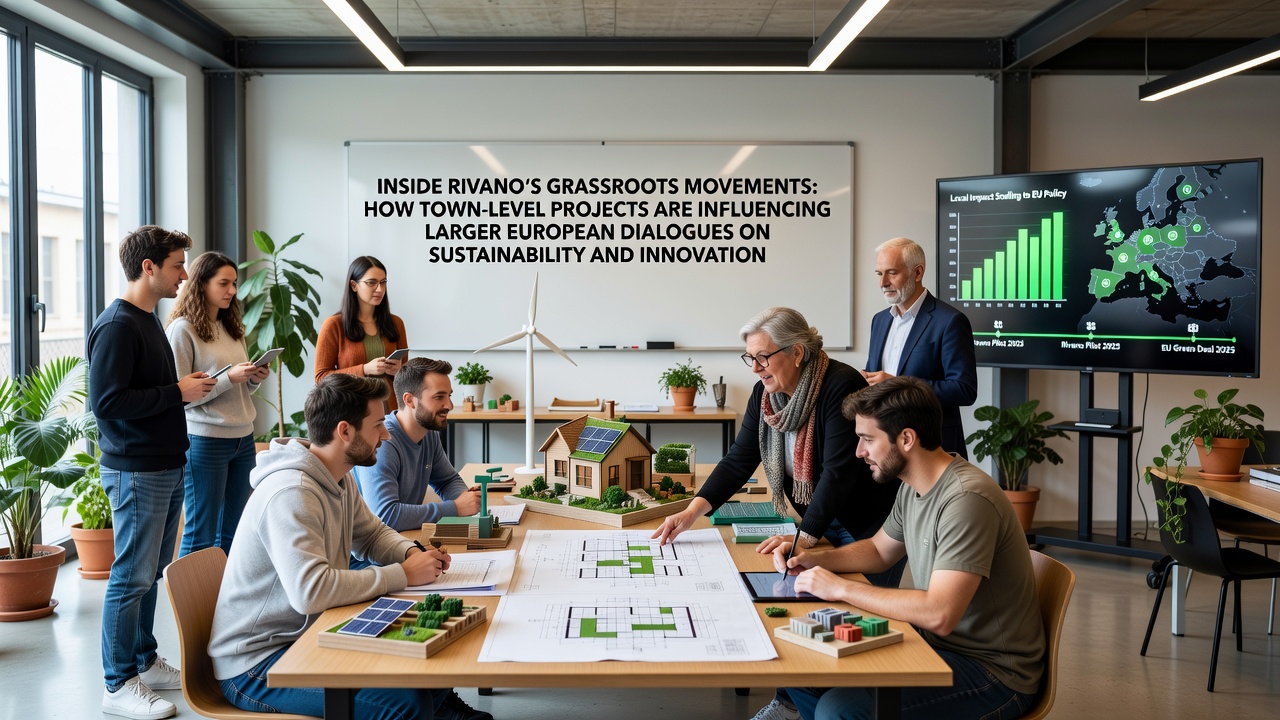
Town-level initiatives across Rivano have gained attention in recent years as they feed into broader European conversations on sustainability and innovation, with local projects often serving as testing grounds for scalable solutions. Observers note that these efforts started with small community groups focusing on renewable energy installations and circular economy practices, which later attracted input from regional planners and policy advisors.
Local Projects Taking Shape in Rivano
Rivano's town councils and resident associations launched several pilot programs between 2023 and 2025 that emphasized waste reduction and green mobility, while researchers documented how these efforts reduced local carbon emissions by measurable percentages according to data from municipal reports. One project involved retrofitting public buildings with smart sensors for energy management, and another established cooperative farming networks that integrated digital tracking tools to minimize resource waste. These initiatives drew participation from schools and small businesses, creating networks that shared data on outcomes with neighboring municipalities.
By early 2026, Rivano's approach included innovation hubs where startups collaborated with local governments on prototypes for urban farming systems and low-emission transport options. Figures from the European Environment Agency indicate that similar town-scale experiments have contributed to national targets in multiple member states, and Rivano's models have been referenced in working papers prepared for EU committee reviews.
Connections to Wider European Discussions
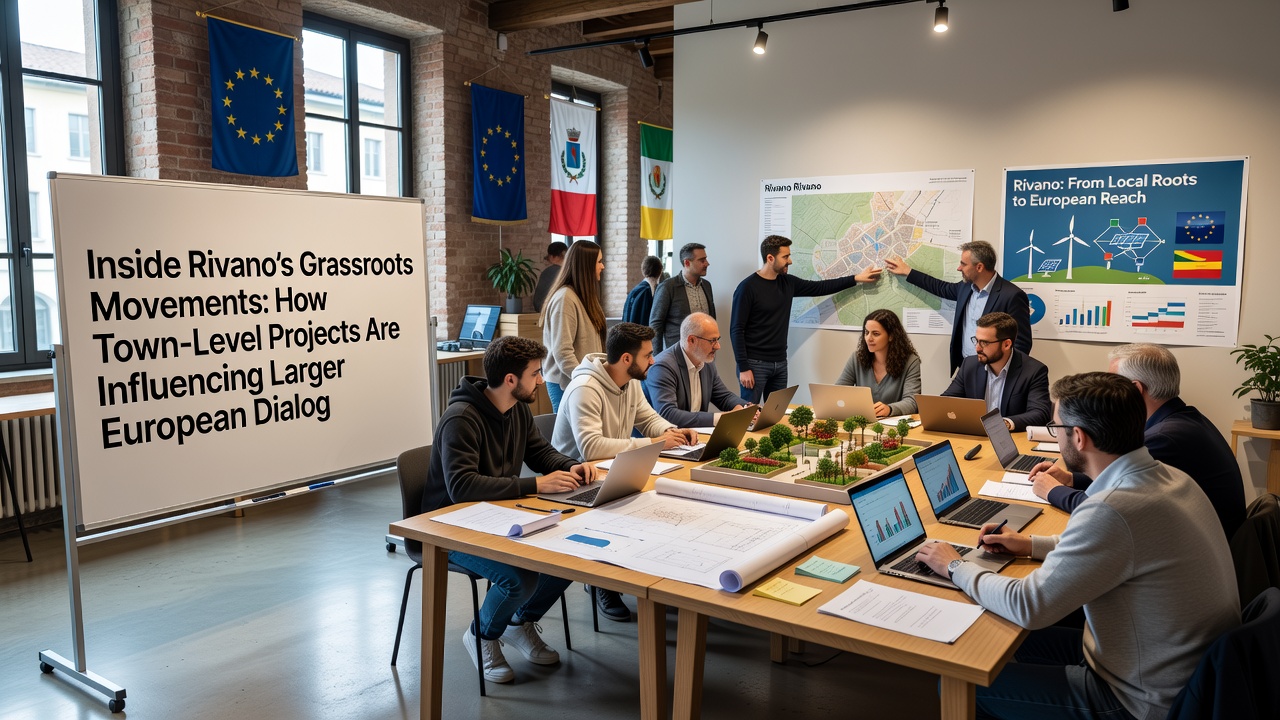
European dialogues on sustainability often incorporate findings from regional case studies, and Rivano's projects have appeared in summaries presented at forums organized by the European Commission. Data shows that town-level innovations in areas like renewable integration and digital efficiency have informed policy papers on the Green Deal framework, with specific examples from Rivano cited during sessions on cross-border knowledge transfer. In September 2026, a scheduled EU sustainability summit will feature sessions on grassroots contributions, where representatives from Rivano are expected to share metrics on project scalability.
Researchers from various institutions have tracked how these local efforts influence larger frameworks, and evidence from comparative studies reveals patterns of adaptation in cities across Scandinavia and the Mediterranean. But here's the thing: the flow of information moves in both directions, as EU guidelines on innovation funding have shaped the design of Rivano's newer pilots, creating a feedback loop that experts describe in academic publications.
Case Examples and Measurable Outcomes
One Rivano neighborhood implemented a blockchain-based system for tracking recycled materials, and reports from the project showed improved transparency that later informed a pilot under the EU's circular economy action plan. Another effort centered on community-owned wind micro-turbines, which generated data used in a study by the OECD on decentralized energy production in urban settings. Those who've examined the records find that participation rates in these programs exceeded initial projections, leading to expanded funding allocations from both local and supranational sources.
What's interesting is how digital tools developed in Rivano have crossed into other regions. A mobile app for optimizing public transport routes, created through a town partnership, has been adapted in parts of Eastern Europe, according to updates shared at intergovernmental meetings. Academic analyses, including work from Canadian research centers on sustainable urban planning, have referenced Rivano's methods when discussing transferable practices across different regulatory environments.
Challenges and Ongoing Developments
Observers point out that scaling town projects to European levels involves coordination hurdles, such as aligning data standards and securing consistent financing streams. Yet Rivano's experience demonstrates that iterative testing at the community scale can highlight practical adjustments before wider rollout. In the lead-up to the September 2026 events, additional workshops are planned to refine these connections, with input from industry groups focused on clean technology advancement.
Evidence suggests that continued exchanges between local actors and EU bodies will shape future agendas, particularly around integrating innovation metrics into sustainability reporting requirements. Projects in Rivano continue to evolve with new partnerships, and records indicate growing interest from academic networks tracking these developments across the continent.
Conclusion
Rivano's town-level projects provide concrete examples of how grassroots activities intersect with European-level discussions on sustainability and innovation, supported by documented outcomes and shared data sets. As preparations advance for upcoming forums in September 2026, the patterns observed in these initiatives offer reference points for policymakers adn practitioners examining similar dynamics elsewhere.